
In the bustling commercial landscape of Mumbai, where hospitals operate around the clock and laundromats serve thousands of customers daily, the efficiency and safety of industrial laundry systems are of paramount importance. One of the most overlooked yet critical components of laundry facility maintenance is the regular cleaning of exhaust ductwork. Accumulated lint and debris within laundry ducts pose a severe fire hazard, threatening lives, property, and business continuity. This comprehensive guide explores the importance of professional laundry duct cleaning, the fire risks associated with lint accumulation, and essential prevention strategies for hospitals, laundromats, and other commercial laundry operations in Mumbai.
The Overlooked Hazard: Why Laundry Duct Cleaning Is Critical for Industrial Facilities
Industrial and commercial laundry facilities generate enormous volumes of lint, fibres, and dust during daily operations. As dryers run continuously, these particles travel through the exhaust system and gradually accumulate along the interior walls of ductwork. Over time, this build-up becomes thicker, restricting airflow and forcing dryers to work harder to push air through the system. In facilities such as hospitals, hotels, care homes, and large commercial laundromats, the volume of lint produced is substantial, making routine duct cleaning indispensable for maintaining both safety and operational efficiency. The process of laundry duct cleaning involves the thorough removal of combustible contaminants from ductwork, vents, and exhaust systems, ensuring that laundry facilities operate safely, hygienically, and in compliance with fire safety regulations.
Understanding the Fire Hazard: How Lint Accumulation Leads to Devastating Fires
Lint is highly combustible and ignites easily when exposed to heat. Within a laundry duct system, the combination of heat generated by dryers and the presence of accumulated lint creates a perfect storm for fire initiation. Research indicates that failure to clean exhaust systems is the leading factor contributing to clothes dryer fires, with lint accumulation in vent pipes serving as a primary ignition point due to restricted airflow. The danger is particularly acute in commercial settings where dryers operate for extended periods daily. In fact, NFPA data reveals that nearly one in ten fires at hotels and hospitals involves laundry facilities. The combustion process can be triggered by overheating dryers, electrical malfunctions, or even spontaneous combustion of lint particles that have accumulated in confined spaces. Once ignited, these fires spread rapidly through ductwork, releasing toxic smoke throughout the building and endangering occupants.
Mumbai’s Regulatory Landscape: Fire Safety Compliance for Commercial Laundry Operations
Mumbai, being the commercial capital of India, operates under stringent fire safety regulations enforced by the Maharashtra Fire Prevention and Life Safety Measures Act, 2006, as well as the National Building Code of India. Commercial establishments, including hospitals, hotels, and laundromats, are required to obtain Fire NOC certification before occupancy and must submit compliance certificates biannually. These regulations mandate the regular inspection and maintenance of all fire safety systems, including laundry exhaust ductwork. Non-compliance can result in heavy penalties, imprisonment, or even shutdown of operations. Insurance companies also require proof of regular duct cleaning as a condition for coverage. Professional laundry duct cleaning services that adhere to recognised standards help businesses fulfil these legal prerequisites, steering clear of the risk of legal penalties and compromised insurance claims.
Recognising the Warning Signs: Indicators That Your Laundry Ducts Need Immediate Attention
Laundry systems often provide clear warning signs when airflow becomes restricted due to lint accumulation. Facility managers should be vigilant for the following indicators: dryers taking significantly longer than usual to dry loads; excessive heat building up within the laundry room; visible lint escaping around vents or external exhaust outlets; burning or overheating smells during dryer operation; and dryers shutting down unexpectedly due to thermal overload protection. When these issues manifest, the ventilation system may already contain substantial lint build-up that requires professional attention. Ignoring these signs can lead to equipment damage, increased energy costs, and, most critically, an elevated risk of fire. Regular inspection and proactive cleaning are far more cost-effective than responding to a fire emergency.
The Professional Cleaning Process: What Comprehensive Laundry Duct Cleaning Entails
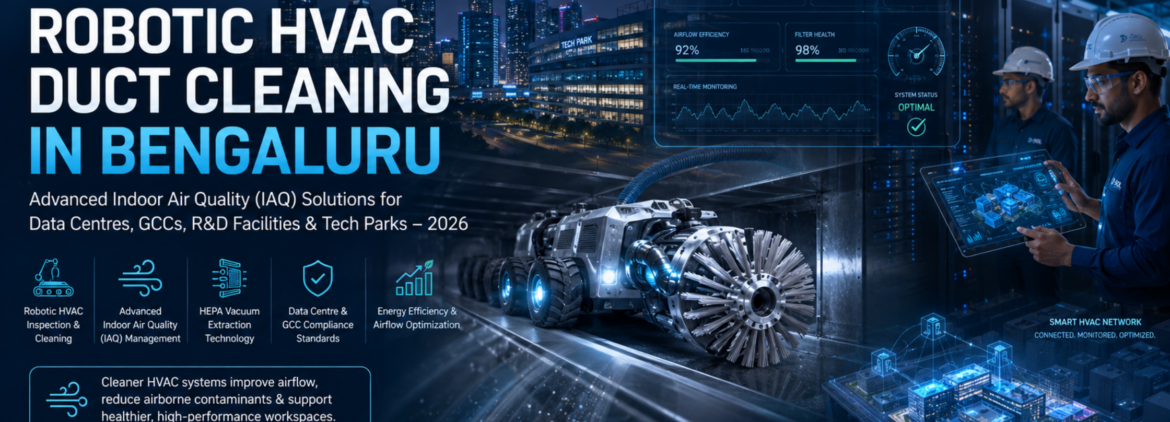
Professional laundry duct cleaning follows a structured, systematic approach to ensure thorough removal of contaminants from the entire exhaust system. The process typically begins with a detailed inspection of the ductwork to assess the extent of lint accumulation and identify any blockages or damage. Certified technicians then utilise specialised equipment, including high-powered vacuum suction units, rotary brush systems, and air whips, to dislodge and extract debris from both straight and curved duct sections. The cleaning protocol encompasses: removal and cleaning of lint traps; accessing the full length of ductwork, including vertical risers and horizontal runs; cleaning of fans, vents, and termination points; and post-cleaning verification of air pressure and dryer performance. Comprehensive documentation, including before-and-after photographic evidence, is typically provided to demonstrate compliance with fire safety regulations for insurance and regulatory purposes.
Frequency Guidelines: How Often Should Hospitals and Laundromats Schedule Duct Cleaning
The required frequency of laundry duct cleaning depends primarily on the volume of laundry processed and the intensity of equipment use. For industrial laundry setups, hospitals, and high-volume laundromats, it is recommended to schedule duct cleaning at least once every six months. Facilities that operate dryers continuously may require more frequent cleaning, sometimes quarterly, to maintain optimal safety standards. Moderate-use facilities such as hotels may be adequately served by semi-annual cleaning, while low-volume operations might schedule annual cleaning. However, regular inspections between scheduled cleanings help identify when lint accumulation begins to affect airflow, enabling proactive intervention. Ultimately, the cleaning schedule should be determined based on daily load volumes, the age and condition of equipment, and adherence to local fire safety codes.
Comprehensive Benefits Beyond Fire Prevention: Operational Efficiency and Cost Savings
Investing in regular laundry duct cleaning yields substantial returns that extend far beyond fire risk reduction. Clean ducts ensure that laundry appliances operate at peak efficiency, leading to reduced energy consumption and lower utility bills. Restricted airflow forces dryers to run longer cycles, consuming more electricity or gas and accelerating wear on mechanical components. By maintaining clear ductwork, businesses can extend the lifespan of expensive laundry machinery, reducing capital expenditure on replacements. Additionally, clean ducts improve indoor air quality by eliminating lint, dust, and other airborne contaminants that would otherwise circulate throughout the facility. This creates a healthier working environment for employees and a more pleasant experience for customers or patients. Furthermore, facilities that prioritise regular duct maintenance enjoy reduced downtime, fewer equipment breakdowns, and uninterrupted business operations.
Best Practices for Ongoing Lint Management in Commercial Laundry Facilities
While professional duct cleaning is essential, facility managers can implement several daily and weekly practices to minimise lint accumulation between scheduled cleanings. Lint traps on every dryer should be cleaned before or after each load, as a clogged filter forces lint further into the exhaust system. Staff should inspect behind dryers weekly to remove any lint that has escaped the traps. The area around dryers should be kept free of flammable materials. Dryers should never be left running unattended, especially overnight. Additionally, using rigid or semi-rigid metal ducting rather than flexible plastic or foil ducts is strongly recommended, as flexible ducts trap lint more readily and pose a higher fire risk. Regular training of laundry personnel on fire safety protocols and the proper operation of equipment is also essential for maintaining a culture of safety.
Conclusion: Prioritising Safety Through Professional Duct Maintenance
For hospitals, laundromats, and all commercial laundry operations in Mumbai, the importance of professional laundry duct cleaning cannot be overstated. The accumulation of lint within exhaust ductwork presents a genuine and significant fire hazard that, if ignored, can lead to devastating consequences including loss of life, property damage, business interruption, and legal liability. By partnering with experienced service providers who utilise advanced cleaning techniques and adhere to recognised safety standards, facility managers can effectively mitigate these risks, ensure regulatory compliance, and maintain operational efficiency. Regular duct cleaning is not merely a maintenance expense but an investment in safety, asset protection, and business continuity. In a city as dynamic and densely populated as Mumbai, proactive fire prevention through diligent duct maintenance is both a legal obligation and a moral responsibility.
About D-SOL Facilities Private Limited
D-SOL Facilities Private Limited is a trusted provider of professional laundry duct cleaning services in Mumbai and across India, specialising in comprehensive cleaning solutions for commercial and industrial laundry machinery. Their team of skilled technicians utilises state-of-the-art equipment, including high-powered vacuum suction units and rotary brush systems, to thoroughly remove lint, dust, and debris from ductwork, vents, and exhaust systems. The company adheres to recognised fire safety standards, including NFPA guidelines, and serves a diverse clientele spanning hospitals, hotels, laundromats, manufacturing plants, and other commercial facilities. With a strong commitment to safety, efficiency, and customer satisfaction, D-SOL Facilities delivers thorough, reliable cleaning solutions that reduce fire risk, improve equipment performance, and ensure regulatory compliance. Their comprehensive service approach includes detailed inspection, mechanical brushing, high-powered vacuum extraction, and post-cleaning verification, providing clients with complete peace of mind.
Contact Us
📞 Call for reservation: +91 84483 96120 | +91 8448396121
✉️ Email : rohit@dsolfacilities.com | hemraj@dsolfacilities.com