
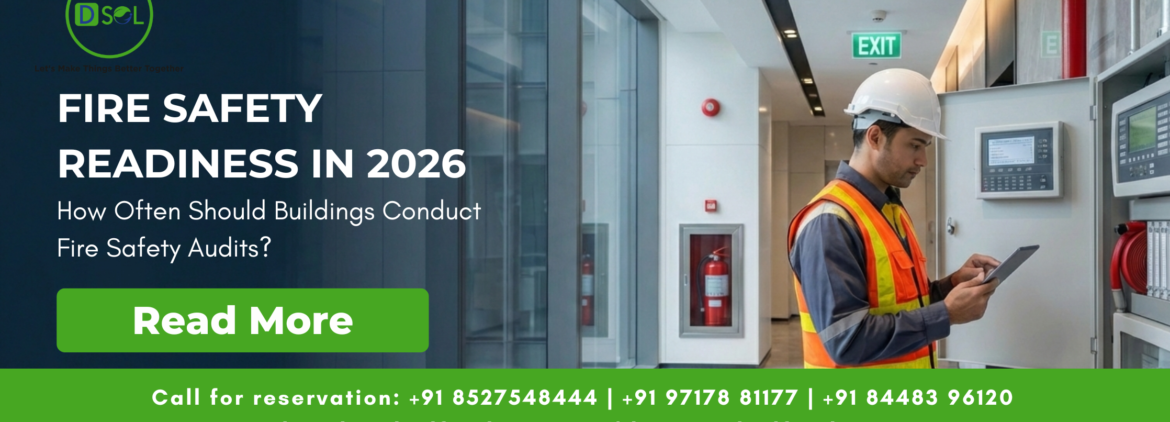
The Growing Importance of Fire Safety Audits for Commercial and Residential Buildings
As urban infrastructure expands and buildings become more complex, fire safety is no longer just a regulatory requirement it is a strategic responsibility. In 2026, with higher occupancy densities, sophisticated electrical systems, and integrated HVAC networks, the risk profile of modern buildings has changed significantly. From commercial complexes and malls to hospitals, hotels, factories, and residential towers, every property must adopt a proactive approach toward fire prevention and emergency readiness.
A structured fire safety audit ensures that a building is not merely compliant on paper but genuinely prepared to protect lives, assets, and operations. Regular assessments identify hidden vulnerabilities, outdated systems, and potential hazards long before they become critical.
Today, the key question facing facility managers and property owners is not whether audits are necessary, but how often they should be conducted to maintain complete fire safety readiness.
What is a Fire Safety Audit?
A fire safety audit is a systematic evaluation of a building’s fire prevention systems, emergency response preparedness, and compliance with safety regulations. It involves inspecting fire alarms, sprinkler systems, extinguishers, smoke detectors, evacuation routes, electrical panels, and ventilation systems.
Beyond equipment checks, it also reviews documentation, staff training, maintenance schedules, and emergency evacuation protocols. The goal is to ensure that every layer of protection functions flawlessly when required.
In essence, a fire safety audit transforms reactive firefighting into proactive risk management.
Why Fire Safety Readiness Matters More in 2026
Increasing Infrastructure Complexity
Modern buildings integrate smart technologies, centralized air conditioning, and automated systems. While these enhance comfort and efficiency, they also create more ignition points and interconnected risks.
Higher Occupancy Levels
Shopping malls, multiplexes, offices, and residential complexes now host thousands of occupants daily. In the event of a fire, evacuation becomes challenging without well-planned safety systems.
Regulatory Tightening
Government authorities and insurance providers are enforcing stricter compliance norms. Non-compliance can result in penalties, legal liability, or operational shutdown.
Financial and Reputation Risks
Even a minor fire incident can lead to business disruption, insurance complications, and reputational damage that may take years to recover.
These realities make regular fire safety inspections not optional but essential.
How Often Should Buildings Conduct Fire Safety Audits?
The frequency of audits depends on the type, size, and usage of the property. However, industry best practices in 2026 recommend the following structured schedule:
Monthly Fire Safety Checks
Monthly inspections should cover basic operational checks such as:
- Fire extinguishers pressure levels
- Alarm and detector functionality
- Emergency lighting
- Exit routes and signage
- Electrical panel safety
These quick reviews help identify immediate risks before they escalate.
Quarterly Fire System Testing
Every three months, buildings should conduct deeper evaluations including:
- Sprinkler system testing
- Fire pump performance checks
- Smoke extraction systems
- HVAC duct and exhaust cleanliness
- Control panel testing
Quarterly testing ensures critical systems are always functional.
Bi-Annual Training and Mock Drills
People play an equally important role in fire readiness. Twice a year, organizations should conduct:
- Fire evacuation drills
- Staff training sessions
- Emergency response rehearsals
- First-aid preparedness
A well-trained team can prevent panic and save lives.
Annual Comprehensive Fire Safety Audit
A detailed professional audit must be conducted at least once a year. This includes:
- End-to-end risk assessment
- Code compliance review
- Documentation checks
- Equipment servicing records
- Structural and system vulnerabilities
- Recommendations for upgrades
This annual audit provides a complete safety health report of the building.
High-Risk Facilities Require More Frequent Audits
Certain properties demand additional vigilance:
- Hospitals and healthcare centers
- Hotels and banquet halls
- Industrial units
- Commercial kitchens
- Data centers
- High-rise towers
For such facilities, professional audits every six months are strongly recommended.
Key Components of an Effective Fire Safety Audit
Fire Detection Systems
Smoke detectors, heat sensors, and alarm panels must be calibrated and functional at all times.
Suppression Systems
Sprinklers, extinguishers, hydrants, and fire pumps should be tested regularly to ensure instant activation.
Electrical Safety
Overloaded circuits, faulty wiring, and outdated panels are leading causes of fires. Regular inspections reduce risk.
Ventilation and Duct Hygiene
Grease buildup in kitchen ducts and dust accumulation in HVAC systems can act as fire accelerants. Cleaning and maintenance are critical.
Evacuation Planning
Clear exit pathways, illuminated signage, and accessible escape routes must be maintained.
Documentation and Compliance
Maintenance logs, certifications, and training records validate readiness and legal compliance.
Benefits of Regular Fire Safety Audits
Organizations that adopt structured fire audit schedules experience measurable advantages:
- Reduced risk of fire incidents
- Enhanced occupant safety
- Lower insurance premiums
- Regulatory compliance
- Minimal downtime
- Long-term cost savings
- Improved brand credibility
Preventive audits cost far less than the financial and emotional consequences of fire damage.
Creating a Culture of Fire Safety
Technology alone cannot ensure protection. Fire readiness requires a mindset shift across management and staff. Safety must become part of everyday operations, not a once-a-year activity.
Regular communication, training programs, visible signage, and professional maintenance services build awareness and accountability. When safety becomes culture, risks automatically decline.
Forward-thinking organizations in 2026 are integrating fire audits into their facility management strategy rather than treating them as an afterthought.
Conclusion: Preparedness is the Best Protection
Fire safety readiness is not about reacting to emergencies it is about preventing them altogether. Conducting audits at the right frequency ensures that buildings remain resilient, compliant, and secure.
Monthly checks, quarterly testing, and annual comprehensive audits form the foundation of a dependable safety framework. For high-risk facilities, more frequent professional inspections are essential.
A building that is regularly audited is a building that is truly protected.
About Our Services
D-SOL Facilities provides specialized fire safety support alongside advanced HVAC duct cleaning, kitchen and exhaust duct cleaning, IAQ audits, robotic duct cleaning, air balancing, and comprehensive facility maintenance solutions. With precision-driven inspections, certified processes, and technology-backed execution, the company ensures cleaner air systems, safer environments, and regulatory compliance for commercial, industrial, and residential properties. Their proactive approach focuses on prevention, operational reliability, and long-term safety performance.
Contact Us
Call for reservation: +91 8527548444 | +91 97178 81177 | +91 84483 96120
Email: rohit@dsolfacilities.com | hemraj@dsolfacilities.com
Website: www.dsolfacilities.com